What Is a Priestess Initiation? A Plain-Language Guide
The word "priestess" can bring to mind ancient temples, mysterious ceremonies, or women performing sacred rituals. Yet modern priestess practices often have a more personal meaning. Rather than involving religious authority or supernatural abilities, they may focus on self-awareness, feminine spirituality, personal responsibility, and a deeper relationship with everyday life. For women exploring this path, understanding priestess initiation begins with looking beyond the symbolism and discovering what the experience may involve.
Although traditions and approaches vary, the central idea is often about recognizing personal wisdom, exploring spiritual identity, and making conscious choices about how to live.
Understanding the Role of a Priestess
Historically, priestesses have held different responsibilities across cultures and religious traditions. Some served in temples, conducted ceremonies, maintained sacred spaces, or participated in community rituals. Their roles depended on the beliefs and social structures of their communities.
Contemporary priestess practices do not necessarily follow these historical models. Many modern programs draw inspiration from feminine spirituality, mythology, meditation, and personal development.
In these settings, becoming a priestess may symbolize a commitment to living with greater awareness, integrity, and connection to personal values.
It is important to recognize that there is no single universal priestess tradition. Practices differ considerably between teachers, communities, and spiritual lineages.
The Meaning of Priestess Initiation in Modern Spirituality
The meaning of priestess initiation is often connected to a deliberate transition from one stage of personal exploration into another. Initiation may represent a conscious decision to engage more deeply with spiritual practices, personal reflection, and self-understanding.
For some participants, this involves examining familiar patterns, questioning expectations, or developing confidence in their own judgment.
Others approach initiation as an opportunity to explore feminine symbolism, reconnect with creativity, or establish meaningful personal rituals.
Unlike qualifications awarded through formal educational institutions, many contemporary priestess initiations are spiritual or experiential processes. Completing one does not automatically confer religious authority, professional credentials, or expertise in counseling or healing.
Its significance depends largely on the tradition, the participant's intentions, and the responsibilities associated with the practice.
What Happens During a Priestess Initiation?
There is no standardized ceremony, but contemporary programs may include several reflective and symbolic activities.
Common elements can include:
● Meditation and reflection: Creating quiet space to explore personal beliefs, emotions, and intentions.
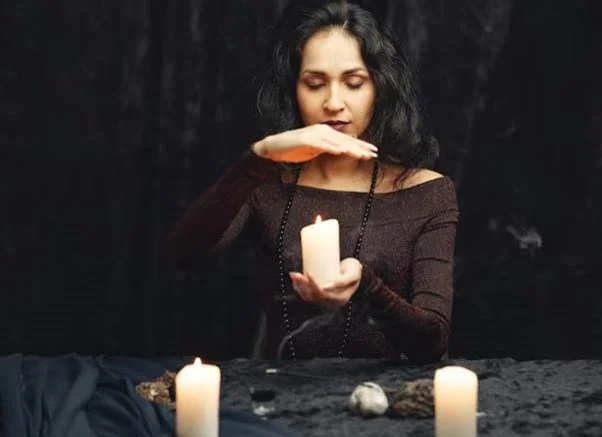
● Symbolic ceremonies: Using candles, flowers, water, or other meaningful objects to represent a transition.
● Movement and creative expression: Exploring awareness through gentle movement, writing, or artistic activities.
● Group discussions: Sharing experiences within a supportive environment while respecting personal boundaries.
● Personal commitments: Identifying values or practices that participants wish to carry into everyday life.
Some programs take place during weekend retreats, while others involve extended study, mentorship, or regular gatherings.
Participation should always remain voluntary, particularly when activities involve emotional disclosure, physical contact, or unfamiliar spiritual practices.
Is Priestess Initiation Connected to a Religion?
Priestess initiation can be religious, spiritual, or primarily symbolic, depending on the setting.
Certain traditions have established religious beliefs, ceremonial responsibilities, and specific training requirements. Other contemporary approaches combine personal development with spiritual themes without requiring membership in an organized religion.
Before attending, participants should understand the program's philosophical background.
Asking whether activities involve particular deities, religious commitments, or cultural traditions can help clarify expectations.
Responsible facilitators should also explain the origins of the practices they teach rather than presenting diverse cultural traditions as interchangeable.
Who Might Feel Drawn to This Experience?
Women may become interested in priestess practices during periods of reflection or personal transition.
Some are reconsidering priorities after years of professional or family responsibilities. Others wish to explore spirituality outside familiar religious structures.
Life changes, creative interests, or a desire for meaningful community may also inspire curiosity.
However, initiation is not a necessary step toward personal growth. Someone can develop self-awareness, confidence, and spiritual connection without participating in a formal ceremony.
The decision should come from genuine interest rather than pressure to achieve a particular identity.
Choosing an Initiation Experience Thoughtfully
Before joining a program, consider the facilitator's background, the activities involved, and the expectations placed on participants.
Transparent pricing, clear boundaries, informed consent, and realistic descriptions are positive signs.
Be cautious of programs promising guaranteed emotional healing, extraordinary abilities, or permanent transformation. Spiritual experiences can be personally meaningful, but outcomes differ between individuals.
A thoughtful approach allows participants to explore unfamiliar practices while maintaining independence and personal choice.
Conclusion
Priestess initiation is best understood as a varied spiritual practice rather than a single ceremony with universally defined outcomes. It may offer an opportunity to reflect on identity, values, and personal responsibility through intentional activities and symbolic traditions.
For readers interested in exploring feminine spirituality and mindful self-discovery, exploringbodymindfreedom.co provides a relevant starting point for learning about these themes. Ultimately, the value of any initiation lies in how thoughtfully its insights are understood and integrated into ordinary life.
