The 5 Woman Wounds We Don’t Talk About Enough

This weekend, I caught myself doing something I've probably done with women my entire life.
I was playing frisbee golf on a double date - and I hadn't thrown a frisbee in decades.
Turns out I'm terrible at frisbee golf.
So was the other woman.
And as we played, I noticed two impulses happening inside me at exactly the same time.
One was a tiny competitive edge.
But the other was much more interesting:
I wanted to put myself down and put her up.
I noticed how comfortable it felt in my body to make myself a little smaller – to make absolutely certain she didn't feel threatened, compared to, or less-than around me.
And then I had a realization that stopped me:
It felt safer to make myself smaller than to risk another woman feeling threatened by me.
This is something many women learn very early:
belonging can feel safer when we are less visible, less powerful, less fully ourselves.
Be beautiful—but not too beautiful.
Be successful—but don't make it obvious.
Be confident—but stay relatable.
Be powerful—but stay “likable.”
We learn to track not only our own jealousy, but the possibility of provoking it in others - and to manage ourselves accordingly.
And sometimes, without realizing it, we shrink to stay safe in connection.
This is part of what I think of as the Woman Wound: the ways women learn to disconnect from themselves in order to preserve belonging with others.
Here are five of the woman wounds I see most often.
1. The Sisterhood Wound: “Women Aren’t Safe.”
For many of us, this begins long before adulthood.
Being excluded from the group.
The best friend who suddenly chose someone else.
Girls whispering when you walked into the room.
Gossip.
Competition.
A secret shared that wasn’t kept.
A friendship abruptly ending without repair.
These experiences teach the nervous system something.
Be careful around women.
And that belief can follow us into adulthood—even when we deeply desire female friendship.
We might crave sisterhood while simultaneously bracing for betrayal.
We might overanalyze a friend’s text.
Become hyperaware of subtle changes in tone.
Fawn when there is conflict.
Or keep parts of ourselves hidden because some part of us remembers what happened the last time we were fully exposed.
Healing the sisterhood wound isn’t about deciding that all women are safe.
They aren’t.
It’s learning that you can trust yourself to discern who is safe—and remain loyal to yourself even when someone isn’t.
2. The Comparison Wound: “Her Having More Means I Have Less.”
She walks into the room and something happens inside you.
She’s beautiful, successful, magnetic., loved., wealthy, powerful, free.
And before you’ve consciously thought anything, your nervous system has already started calculating:
Where does that leave me?
Women have been conditioned to measure themselves against one another in countless invisible hierarchies.
Who is prettier? Who has the better relationship? Whose business is thriving? Who gets the attention? Who seems more spiritual, more maternal, more successful, more desirable?
But comparison often points directly toward something we’ve exiled within ourselves.
Sometimes the woman who triggers you isn’t showing you what you lack.
She’s showing you what you haven’t fully given yourself permission to become.
What if envy didn’t have to become shame—or judgment?
What if it could become information?
There is something here that I desire.
And her embodiment of it doesn’t make it less available to me.
3. The Visibility Wound: “If I Shine, I Could Lose Belonging.”
This one is enormous for women who are becoming more visible.
Because many women aren’t actually afraid of success.
They’re afraid of the relational consequences of success.
What happens if I become wealthier than my friends?
What happens if my body changes?
What happens if my relationship becomes extraordinary?
What happens if thousands of people begin listening to me?
What happens if I stop apologizing for my ambition?
What happens if I become the most powerful woman in the room?
There can be an unconscious bargain underneath female belonging:
I’ll make sure my light doesn’t make you uncomfortable if you promise not to reject me.
So we soften the accomplishment, deflect the compliment., undercharge, hide our desire, make ourselves more relatable by emphasizing what’s going wrong.
Or wait for everyone around us to give us permission before taking the next step.
But mature sisterhood asks something much more radical of us:
Can I celebrate your expansion without interpreting it as evidence of my inadequacy?
And:
Can I allow myself to expand without making myself responsible for everyone else’s reaction?
4. The Rupture Wound: “If We Disagree, I Could Lose You.”
This may be one of the most consequential woman wounds of all.
Many women have become incredibly skilled at connection—and remarkably unskilled at rupture.
We know how to love each other, support each other, listen, celebrate, caretake.
But what happens when one woman says:
No.
I disagree.
That hurt me.
I don’t want that.
I need something different from you.
I love you, and this isn’t working for me.
Suddenly a boundary can feel like rejection.
Disagreement can feel like betrayal.
And conflict can become gossip, triangulation, avoidance, fawning, punishment, ghosting or complete cutoff.
But intimacy isn’t created by never disappointing one another.
It’s created by discovering that the relationship can survive the truth.
Perhaps one of the greatest initiations available to women today is learning how to rupture without destroying - and repair without abandoning ourselves.
5. The Good-Girl Wound: “Belonging Requires Me to Be Easy to Love.”
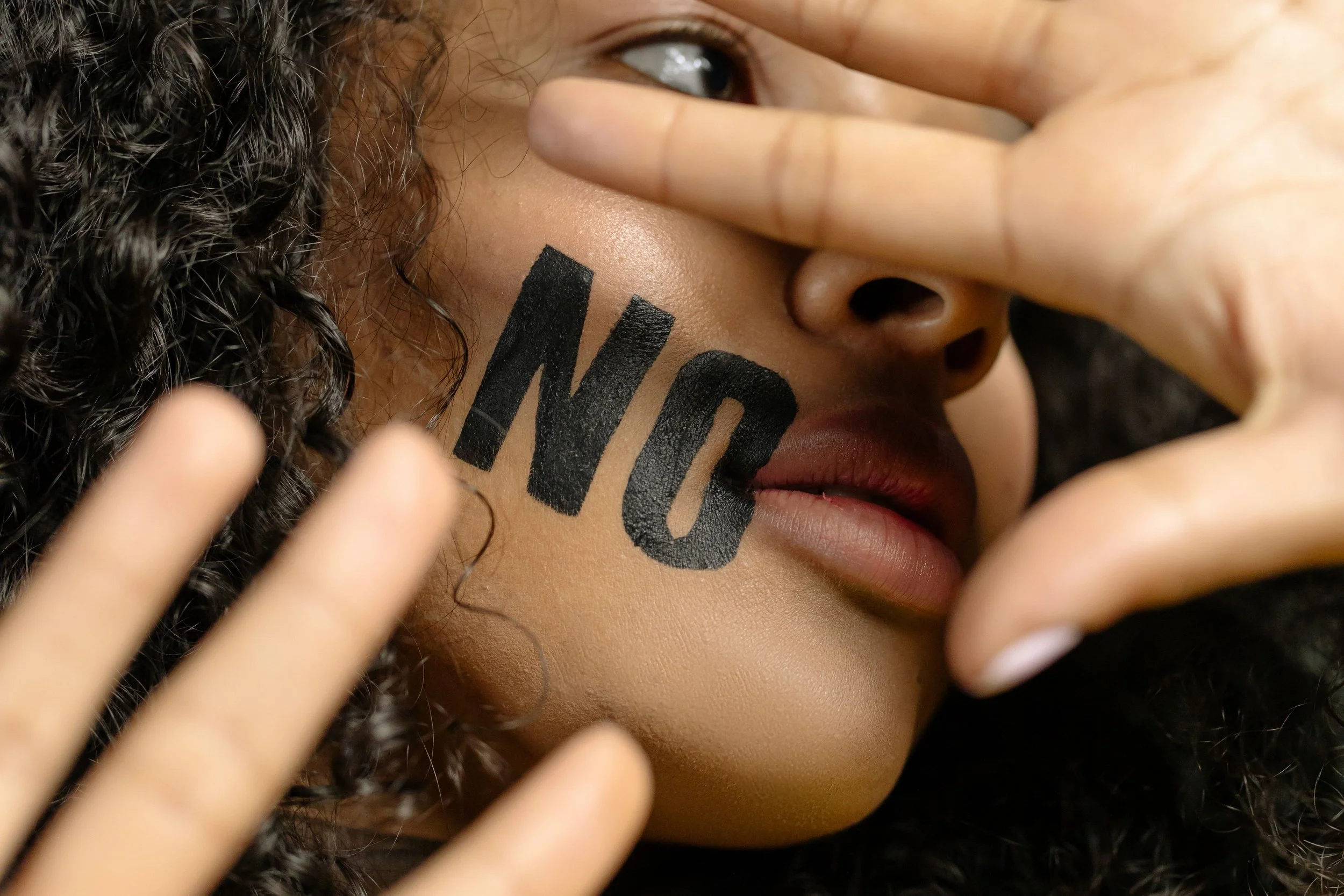
Underneath so many of these patterns lives the Good Girl.
She learned that belonging has conditions.
Be kind, be helpful, be agreeable. Don’t be jealous. Don’t be angry. Don’t be demanding. Don’t take up too much space. Don’t make another woman uncomfortable. Don’t become too much of anything.
And so she becomes exquisitely attuned to everyone else’s emotional experience.
She can feel the room before she can feel herself.
The problem isn’t kindness.
Kindness is beautiful.
The wound is believing you must betray yourself in order to remain a kind woman.
This is the difference between the Nice Girl and the Kind Woman.
The Nice Girl says yes because she fears what your no might cost her.
The Kind Woman can love you and still say no.
The Nice Girl manages your feelings.
The Kind Woman respects your capacity to have them.
The Nice Girl needs belonging.
The Kind Woman belongs to herself first.
And perhaps this is where the healing of the woman wound ultimately leads.
Not toward some fantasy where women never trigger, disappoint, envy, hurt or disagree with one another.
But toward relationships between women strong enough to hold two sovereign selves.
Where I can say:
You can shine without me shrinking.
I can shine without asking you to shrink.
I can feel jealousy without punishing you for what you awaken in me.
I can tell you the truth without making you my enemy.
I can hear your no without interpreting it as abandonment.
We can disagree without making one another bad.
We can rupture—and we can learn how to repair.
And perhaps most importantly:
I don’t have to choose between belonging to women and belonging to myself.
That may be the sisterhood so many of us have actually been longing for.
Ready to reconnect with your feminine magnetism, awaken your ancient magic, and restore your balance and radiance?
Get your Divine Feminine Reset and begin your return to yourself.