Why You Keep Self-Sabotaging (It’s Not What You Think)

Many women think they have a self-sabotage problem.
I don’t.
I think self-sabotage is almost always a symptom.
The real problem is something much deeper.
Self-abandonment.
One of the greatest wounds I see in high-achieving, heart-led women isn’t a lack of confidence or discipline.
It’s that somewhere along the way, we learned to leave ourselves.
We’ve become masters at staying present for everyone else -
We know how to comfort our children.
Support our partners.
Lead our teams.
Hold space for our clients.
Keep showing up.

But the moment fear, shame, loneliness, or unworthiness rises inside of us…
We disappear.
We overthink.
We overwork.
We people-please.
We criticize ourselves.
We shut down.
We numb out scrolling.
We convince ourselves we’ll deal with it later.
From the outside, it looks like self-sabotage.
But from the inside?
It’s self-abandonment.
Every time we ignore our intuition….
Every time we silence our needs….
Every time we betray our boundaries….
Every time we shame ourselves for having emotions….
Every time we disconnect from our bodies because what we’re feeling is too uncomfortable…
We leave ourselves in the exact moments we need ourselves most.
The irony is heartbreaking.
Many of us learned this long before we ever had careers or relationships.
Maybe you were the little girl crying in bed, hoping someone would come.
Maybe your feelings were dismissed.
Maybe you learned that your needs were “too much.”
Maybe you discovered that being good, capable, or independent earned you more love than being vulnerable.
So your nervous system adapted.
It learned:
“When things feel overwhelming, you’re on your own.”
Today, every time fear arises, that younger part of you still asks the same question:
“Am I alone?”
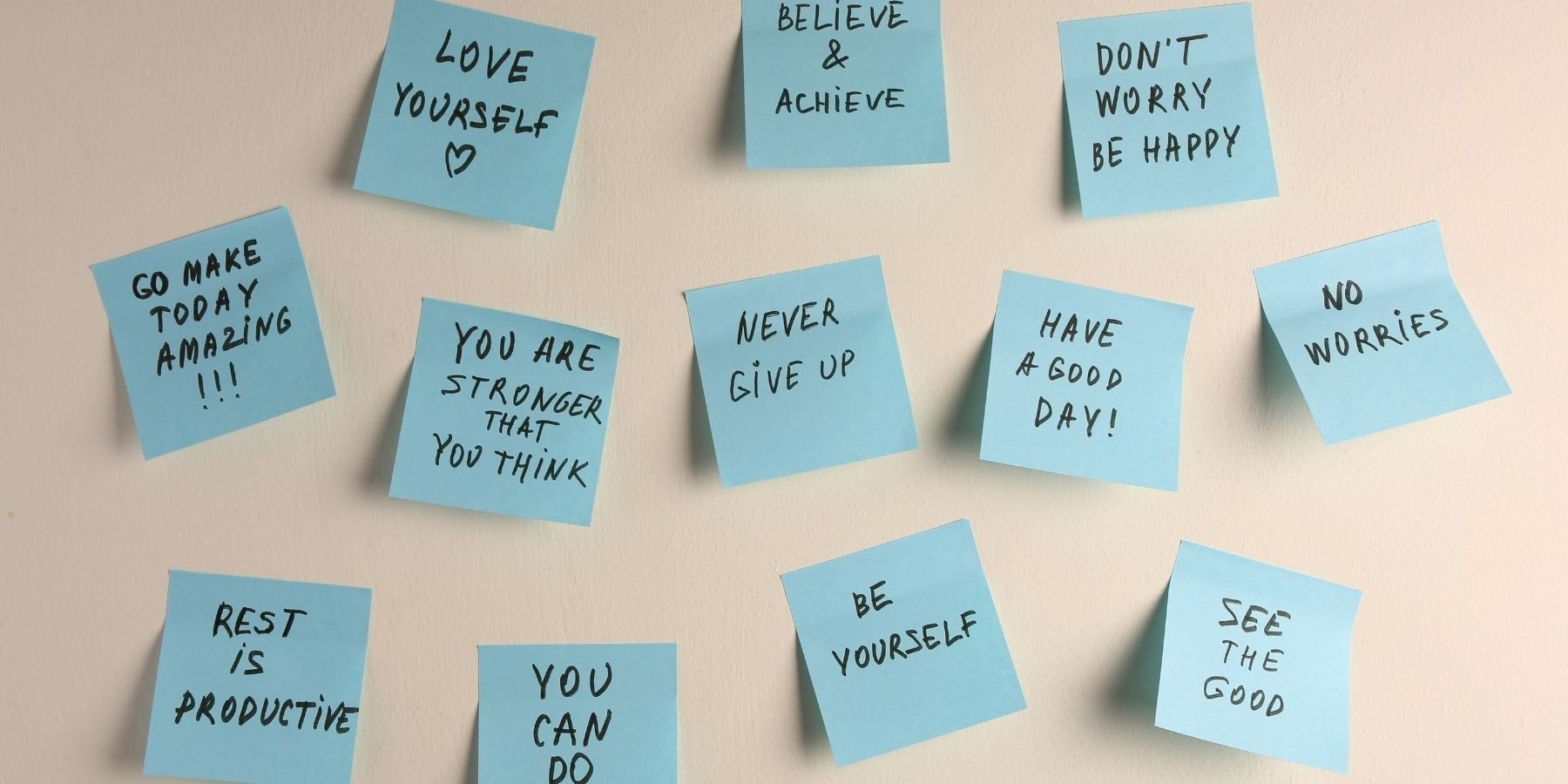
This is why positive affirmations don’t always work.
Because your nervous system isn’t asking for better thoughts.
It’s asking for your presence with what you are actually feeling.
One of my favorite practices for this comes from psychologist and meditation teacher Tara Brach. It’s called RAIN, and it’s one of the most compassionate ways I’ve found to interrupt the cycle of self-abandonment before it turns into self-sabotage.
Step #1 Recognize what you’re feeling
Instead of pushing the emotion away, simply notice it.
Allow it to be here.
You don’t have to like it or fix it. You simply stop fighting your own experience.
Investigate with curiosity.
Where do you feel it in your body?
What is this emotion trying to tell you?
What does this younger part of you actually need?
Then comes the most transformational step.
Step #2 Allow It To Be Here
You don’t have to fix what you’re feeling.
You don’t have to make it go away.
You don’t have to understand it immediately.
Instead, give yourself permission to feel what’s here without judging yourself for it.
Take a breath.
Let the emotion exist without turning it into a problem.
Sometimes the most healing thing you can say is simply:
“This is here right now, and I can be with it.”
Step #3 Investigate with curiosity
Once you’ve made space for the feeling, gently get curious about what’s underneath it.
Where do you feel it in your body?
What happened just before this feeling appeared?
What is this emotion trying to protect you from?
What does this younger part of you need right now?
There’s no need to force an answer.
You’re simply listening instead of judging.
Because when you approach yourself with curiosity instead of criticism, you begin to understand what your “self-sabotage” has been trying to communicate all along.
Step #4 Nurture

Close your eyes and imagine that love surrounding the younger version of you - your inner child.
Sit beside her.
Stroke her hair.
Hold her hand.
Tell her:
“You’re not alone.”
“I’m here now.”
“I’m not leaving you.”
Every time you do this, your nervous system learns a new story.
Not that fear disappears.
Not that life suddenly becomes easy.
But that you no longer abandon yourself when fear arrives.
And this is where real healing begins.
Because the opposite of self-sabotage isn’t becoming more disciplined.
It isn’t trying harder.
It isn’t forcing yourself to think positively.
The opposite of self-sabotage is learning to stay with yourself.
To become the safe place your younger self always needed.
To trust that when fear, grief, shame, or uncertainty arise, you won’t disappear.
You’ll stay.
And when you stop abandoning yourself…
You’ll be amazed how many of the things you once called self-sabotage simply begin to dissolve.
Ready to stop abandoning yourself and start coming home to your body?
Start your fee Divine Feminine Reset & discover what becomes possible when you learn to lead from your body—not your burnout.
❤️ I’d love to hear from you:
When life feels overwhelming, how do you support yourself?
Awareness is always the first step home.